Must Have Checklist For Landlords
Ticking off the items on this list will help you keep track of your legal responsibilities when renting out a property.

There is plenty to consider when buying a second home, whether it’s intended for your personal use, as a family holiday home, or to rent out as a long term investment. Either way, it’s important to understand the tax implications of having a second home.
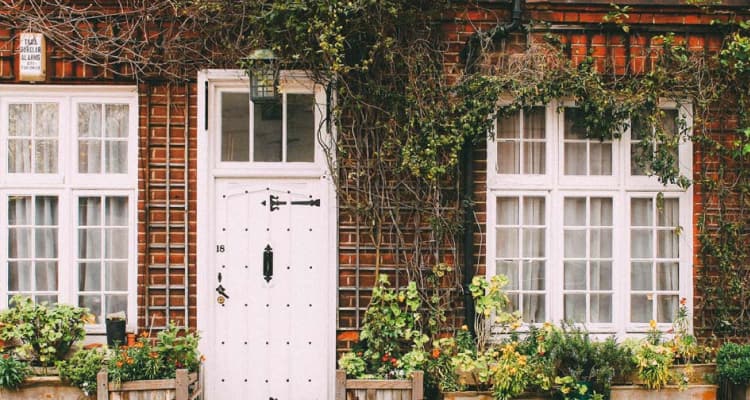
Studies suggest that almost a third of all London properties are second homes, and if you are buying a second home in Kingston, Roehampton or Wimbledon there are plenty of desirable properties to tempt you. But first, you need to know what the tax implications of buying a second home might be. Here are four ways you’ll pay tax on your second property:
You will have to pay stamp duty when buying a second property, charged at the standard rate according to the price band with an additional 3% surcharge.
The stamp duty land tax (SDLT) second home surcharge applies even if the other property you own is outside the UK, or you jointly own another property. HMRC will treat you as an existing homeowner for SDLT purposes if you inherited the house, or if someone adds you to the title deeds later.
This includes couples where one partner is already a homeowner. If you are married or in a civil partnership and one of you already owns a property, you are classed as second home purchasers and will have to pay the second home surcharge.
The current stamp duty rates for second properties in the UK are:
If you are not a UK resident, the government will class you as an overseas buyer and you’ll pay a further 2% stamp duty surcharge on each SDLT rate for second homes. This is a complex legal area to navigate.
Buyers cannot avoid paying this tax on a second home purchase, but you may be eligible for a refund under limited circumstances.
You can claim a refund of the additional 3% SDLT if you sell your previous main residence within three years of purchasing the new one. The new home does not have to become your main residence to claim the refund. You must meet the criteria to qualify, so read our blog article on claiming a stamp duty refund for the details.
Is your new home classed as a second home for council tax purposes? The council tax on second homes depends if you live in the property yourself or let it out.
If you rent the property out, your tenants will pay the council tax unless it’s an HMO. Unless you are repairing your property, or it is actively on the market, the council will charge a higher rate on the empty second home. For example, the London Borough of Merton charges an additional 100% on empty properties after a year, rising to 300% after 10 years.

If you get rental income from your property, you will pay income tax according to your total income bracket. The tax bands of 0%, 20%, 40% and 45% will apply across your rental income, employment and other business income.
You’re able to deduct expenses you incur from letting the property. These are things like accountant fees, letting agent fees, buildings insurance, contents insurance, maintenance charges, repair costs (but not improvements) and service charges. If you have a mortgage on your second property, you’ll also get a tax credit of 20% of your mortgage interest payments.
You also pay tax on selling a second home in the form of capital gains tax (CGT). When you sell a property that isn’t your main residence, you’re liable for CGT on the house sale profit.
Here’s how to calculate capital gains tax on a second home. Capital gains tax is charged according to income tax bands. If you’re a basic rate tax payer, you will pay capital gains tax at 18%, rising to 24% for higher rate earners. But the first £3,000 of profit is tax-free, or if you jointly own property as a couple, you can combine your CGT allowance to a total of £6,000 tax free.
Additionally, you must cover a capital gains tax bill on the profit. To find this, deduct the amount you originally paid for the property, and costs you incurred through buying and selling.
For instance, conveyancing fees, broker fees, surveyors fees, stamp duty and the costs of improvements made. Though you can’t claim a deduction for maintenance costs.
Let’s consider an example:
You bought a second property 10 years ago for £300,000 and now plan to sell it for £500,000. Over the years, you incurred £20,000 in allowable costs such as legal fees and improvements. As a higher rate taxpayer, you need to calculate your Capital Gains Tax (CGT).
First, determine your gain: subtract the purchase price (£300,000) from the selling price (£500,000) to get a gain of £200,000. Next, deduct your allowable costs of £20,000, which leaves you with a net gain of £180,000. You then apply the annual exempt amount of £3,000, reducing your taxable gain to £177,000.
As a higher rate taxpayer, your CGT rate on residential property is 24%. Multiply your taxable gain (£177,000) by 24% to find the CGT due, which leads you to a £42,480 CGT bill.
If you are thinking of buying a second home in Wimbledon, Wimbledon Village, Coombe, Kingston, Raynes Park or New Malden our friendly sales team can help. Contact us to find out more about our selection of properties.
Ticking off the items on this list will help you keep track of your legal responsibilities when renting out a property.
Book a quick phone consultation with one of our negotiators.

"*" indicates required fields