-
Contact Details
- Wimbledon Sales - 0208 9479 833
- Wimbledon Lettings - 0208 8799 669
- Coombe Sales - 0208 947 1100
- Coombe Lettings - 0208 0169 601
- Commercial - 0208 003 8092
- Book A Valuation
- Register With Us


"*" indicates required fields
"*" indicates required fields
Robert Holmes are estate agents in Edinburgh, covering the Georgian crescents of the New Town, the elegant residential streets of Morningside, Bruntsfield, Murrayfield and The Grange, and the fast-changing waterfront around Leith and Granton. Selling or letting in Edinburgh requires local expertise and personal care. Our local estate agent team can guide you through every step. Keep reading to find out more about our services in the area.
6 Coates Crescent, Edinburgh, EH3 7AL
01316082782
Mon - Fri: 9am - 5:30pm
Saturday: 9am - 3pm
Sunday: Closed
Appointments Also Available
Selling a home in Edinburgh brings its own paperwork, from Home Reports to solicitor led offers over closing dates. Our Edinburgh estate agents handle the process for you, offering a free property valuation and support from start to finish to keep the sale hassle free. Book your valuation today.
"*" indicates required fields
Being a landlord in Edinburgh means keeping up with tenancy rules, deposit schemes and letting agent registration. Our Edinburgh letting agents take care of tenant finding, property management and compliance, keeping renting stress free and giving you peace of mind. Get in touch to discuss your rental property today.

"*" indicates required fields
Whether you need an estate agent in Edinburgh including the Georgian crescents of the New Town, the elegant residential streets of Morningside, Bruntsfield, Murrayfield and The Grange, or the help of our letting agents in Edinburgh to find a tenant, our friendly professional team is ready to help. We know the city’s streets, closes and postcodes inside out, and want every seller and landlord to have a great experience with us. Talk to us today and take the next step in your property journey.

Sales Broker

Managing Director

CEO & Director

Keen to know about the extinct volcano at the heart of the city, or the cobbled closes running off the Royal Mile? Edinburgh is one of the most distinctive capitals in Europe. Keep reading to see what it has to offer.
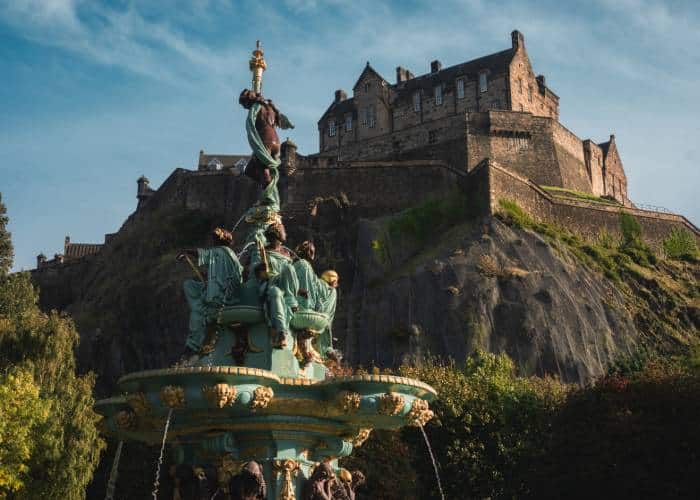
Edinburgh has been the capital of Scotland since the 15th century, built across a series of extinct volcanic hills on the southern shore of the Firth of Forth. The Old Town grew up along the ridge running down from Edinburgh Castle to the Palace of Holyroodhouse, a medieval tangle of closes and tenements that earned the city its old nickname of Auld Reekie. In the late 18th century, the New Town was laid out to the north as a planned Georgian extension, with wide streets, crescents and formal squares replacing the cramped conditions of the Old Town. Together, the Old and New Towns form a UNESCO World Heritage Site, and the contrast between the two remains one of the defining features of the city today.
Edinburgh’s population stands at around 530k according to the the last National Records of Scotland estimate, making it the second largest local authority area in Scotland after Glasgow. Edinburgh’s economy leans heavily on financial services, life sciences, higher education and tourism, with the University of Edinburgh, Heriot-Watt University and Edinburgh Napier University all based in the city. The Edinburgh Festival Fringe and the wider August festivals bring millions of visitors each summer, and the city holds UNESCO City of Literature status.
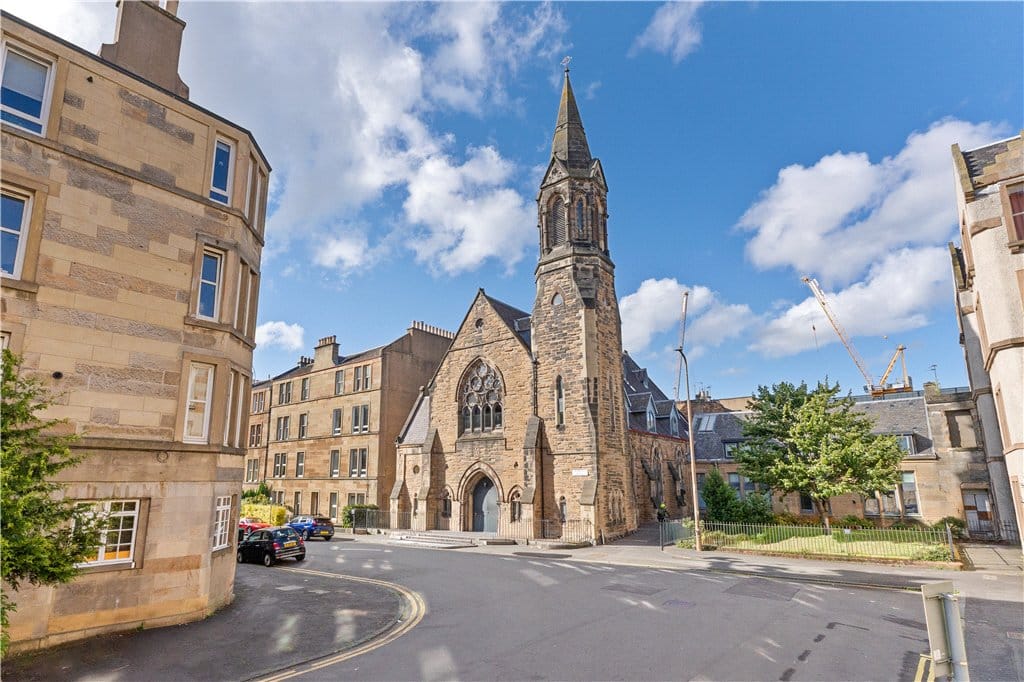
Life in Edinburgh varies considerably by area. The New Town and Stockbridge offer Georgian and Victorian terraces close to the centre, while Marchmont, Bruntsfield and Morningside are known for their sandstone tenements and villas, popular with families and professionals working near the university and the Royal Infirmary at Little France. Leith, once a separate port town before it merged with Edinburgh in 1920, has its own dockside identity and has seen substantial regeneration over the past two decades. Further out, areas like Corstorphine and the waterfront at Granton offer newer housing and sit close to the bypass and the airport.
Edinburgh sits within reach of the Pentland Hills, the East Lothian coast and the Scottish Borders, giving people here a quick route out of the city without a long commute back in. This position between a compact historic centre and open countryside, combined with strong transport links and well regarded universities, continues to support steady demand for property across the city, from period New Town flats to new-build homes on the waterfront.
Find out more about the property market in Edinburgh – whether you’re looking to buy, sell, let or rent.
Property styles in Edinburgh: Edinburgh’s property stock is defined by two contrasting Georgian and Victorian traditions. The New Town is known for its Georgian terraces, crescents and townhouses, many built between 1767 and the 1850s, while Marchmont, Bruntsfield, Morningside and Leith are dominated by sandstone tenement flats built for Victorian era professionals and merchants and still forming the backbone of the city’s housing stock. Villas are more common in outer suburbs such as Corstorphine and Colinton, and newer flats have appeared across regeneration sites including Edinburgh Park, Western Harbour and Granton Waterfront.
Sought-after streets: The best known streets for period property sit within the New Town, including Moray Place, Heriot Row and Great King Street, where B-listed Georgian townhouses often sell for well over a million pounds. In Marchmont and Bruntsfield, the tenement streets around Warrender Park Road and Marchmont Crescent are in demand for their proximity to the Meadows, while Stockbridge’s Georgian terraces along Ann Street and Danube Street remain some of the most sought after addresses in the city.
Developments in Edinburgh: The largest project reshaping the city is the £1.3 billion Granton Waterfront regeneration in north Edinburgh, which will eventually deliver around 3,500 net zero homes, a new primary school and a large coastal park on a former industrial site. The first phase of 847 homes is under construction and due to complete by 2032, with 45% set aside as affordable housing. Nearby, Western Harbour at Newhaven is adding over 2,000 homes, with smaller schemes underway in Leith, Portobello and Gorgie.
Property prices: The average house price in Edinburgh was £303k in June 2026, up 3.3% on the year before, according to the UK House Price Index for Scotland, making it the highest average of any local authority in Scotland. Rightmove’s sold price data for the wider Edinburgh area puts the overall average slightly higher at £344k over the past year, with flats averaging £297k, terraced houses £418k and detached homes £580k. Within the city, prices vary sharply: EH3, covering parts of the New Town and West End, averaged £474k, while more affordable pockets such as Dalry averaged £224k.
Rental market: The average rent in Edinburgh was £1,415 a month in July 2026, up 1.6% on the year before, according to ONS figures for the Lothian rental area. Demand remains strong across the rental market, driven by the city’s large student population, its universities and its financial services sector, and many landlords choose a property management service to handle tenant sourcing, deposit protection and the paperwork required under Scotland’s private tenancy rules. One and two bedroom flats in the New Town, Marchmont and Leith may attract the most tenant interest, while family sized properties in Morningside and the south side remain in demand from professionals wanting more space.
As the capital of Scotland, Edinburgh offers a wide range of transport options for commuters, sellers and tenants alike.
For more information about the transport options in Edinburgh, take a look here. These transport links, particularly the tram and rail connections into the centre, make Edinburgh a practical base for tenants working in the city and support steady rental demand for landlords.
Everyday life in Edinburgh combines city centre amenities with a genuinely walkable layout, and most people living here can reach the essentials without needing a car.
Edinburgh’s Old and New Towns form one of the most complete historic centres in Europe, and a shortlist of highlights barely covers what sits within walking distance of the centre.
"*" indicates required fields