Must Have Checklist For Landlords
Ticking off the items on this list will help you keep track of your legal responsibilities when renting out a property.

Being a landlord can be a profitable investment as long as a steady cashflow can be maintained. In addition to generating regular rental income, property investors often benefit from property value appreciation over time, making it an attractive and relatively low risk form of investment.
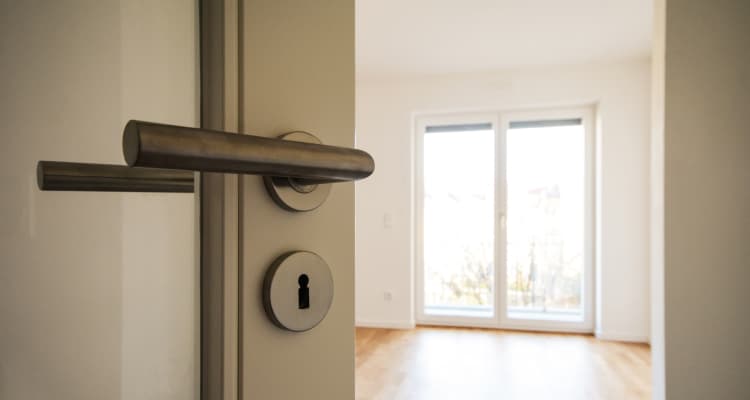
One issue that can negatively impact profitability, however, is void periods. This is where landlords are not receiving rental income for their property during times when it sits empty. While having a property in high demand areas for renting, such as Wimbledon Village and Battersea will help to minimise void periods, sometimes they are unavoidable.
Understanding how to deal with void periods is an important element of having a successful, long-term property business, so read on for tips on how to effectively manage void periods and the actions you can take to reduce the financial impact.
A void period is a time when a rented property is unoccupied by tenants. Typically, they occur after a tenant moves out and there is a period of time when the property remains empty until a new tenant moves in. During the void period, the landlord won’t be receiving rental income but will still incur expenses such as mortgage payments, council tax and utility bills.
To maintain a healthy cashflow, landlords will need to keep any void periods to a minimum and fortunately, there are some strategies landlords can use to do this.
With good financial planning and taking out forms of protection, landlords can develop effective strategies to navigate the impact of void periods. These are some of the empty property management strategies that can be taken in advance to reduce the financial repercussions of void periods:
Landlord insurance cover varies greatly, so when you are taking out an insurance policy, it is important to check the terms and conditions to compare different insurance products. Some will offer just the basics, like buildings insurance, while other products will include insurance cover for loss of rent during void periods.
There will often be limitations on the cover, such as a maximum period of coverage for void periods. Taking out the right insurance will provide financial protection in the event of void periods, with landlords able to claim for loss of rent caused by void periods if they meet the terms of the policy.
Another way to protect against loss of rental income for empty properties is to join a guaranteed rent scheme. A company takes over the management of your property and pays a guaranteed monthly payment, even when the property is unoccupied.
The responsibility to manage void properties is passed over to the provider but will generally mean that your rental income will be lower than if you managed the property yourself.
Putting aside a sum of money to cover expenses during void periods will help you to manage your cashflow for unexpected periods when the property is unoccupied. It is recommended that you save at least 1-3 months’ worth of expenses to cover all potential costs including mortgage payments, council tax and utility bills.
Before accepting a new tenant, you should perform comprehensive background checks to identify any potential tenant issues. Checking employment and previous landlord references, and completing credit checks will help ensure that you only accept reliable tenants who should be able to afford the rent payments.
Also, you can prioritise tenants who are more likely to stay in your property for the long-term, such as families with children attending a local school.
Setting your rent in line with the local rental market will ensure your tenants don’t decide to move out to find a similar property with lower rent. Having a long-term tenant on a slightly lower rent can provide a better financial return compared to charging a higher rent and dealing with regular void periods.
If you are in the situation where you currently have a void property, there will be some additional responsibilities and considerations:
Firstly, once a tenant has moved out you should visit the property straight away to check that all access points are secured. An empty property is an easier target for burglaries and vandals, so you might want to invest in some extra security features, such as installing a burglar alarm, window locks, lighting timers, etc.
You can also ask neighbours to keep an eye on the property and give them your contact details in case they notice anything suspicious.
Landlords are responsible for paying council tax on the property from the day that the tenant’s contract ends. Get in touch with the local council to advise the date of the end of the tenancy and make arrangements to pay the council tax until new tenants move in.
Get in touch with your insurer to inform them that the property is empty, as having an unoccupied property could invalidate your insurance. You might need to take out unoccupied property insurance if there is a maximum time limit on how long your policy allows a property to stay empty.
If you have void period cover, ask your insurer how to submit a claim and follow the procedure so that you can be reimbursed for loss of rental income.
Make the most of your property being empty by getting any maintenance tasks and renovation projects completed. Fixing small issues, redecorating and refreshing the property will help to make it more appealing to prospective tenants.
Doing these tasks while the property is unoccupied will also mean you won’t have to disrupt new tenants to carry out work once they have moved in.
If you are struggling to find new tenants, consider widening your pool. For example, if you don’t currently allow pets, consider accepting tenants with pets. Once the Renters’ Rights Bill comes into effect, landlords won’t be allowed to unfairly refuse pets, so you might want to change your stance before it becomes law.
Another way to attract more tenants is to upgrade rooms such as kitchens and bathrooms or install smart technology.
Whilst your property is empty, try to inspect it regularly to check for any issues such as leaking pipes or security concerns. Conducting regular visits to open/close curtains, turn on lights and tidy up the garden will also make the property look like it isn’t empty to improve security.
While void periods are sometimes inevitable, knowing how to manage void properties can help to keep your finances on track. By implementing the strategies outlined above, that you can action before tenancies, and following the recommendations for managing an empty property, you can navigate the impact of void periods.
If you are looking to find new tenants in south west London areas including Coombe, New Malden and Wandsworth, we can help. As well as quickly finding tenants to minimise void periods, we offer a letting service with comprehensive tenant screening.
If you’d like to find out more, get in touch with our team at Robert Holmes.
Ticking off the items on this list will help you keep track of your legal responsibilities when renting out a property.
Book a quick phone consultation with one of our negotiators.

"*" indicates required fields