Home downsizing to a smaller space or less expensive property is often the last moving milestone in our lives. It can be life affirming and freeing, with homeowners in Wimbledon, South Wimbledon, Wimbledon Park, Coombe or New Malden excited to discover a new area or start afresh.
However, there are downsizing house pros and cons. In this article, we share downsizing house tips and advice for those thinking about home downsizing in South West London. Read on if your burning question is ‘should I downsize my house?’
What Does It Mean To Downsize Your House?
Downsizing means moving to a smaller space or less expensive property. People downsize for all sorts of reasons: to lower mortgage repayments, reduce their spend on bills, provide a pension in retirement or free time and money that’s currently spent on upkeep. You can also downsize a house to pay off debt.
Not every homeowner is forced to downsize a house. Many actively make the choice for positive reasons. Downsizing a house to save money means homeowners can splash out on more exciting things – holidays, cars and grandchildren, for example.
But in most cases, home downsizing happens when people have an empty nest – when all the children have moved out and a big family home with empty rooms is no longer needed.
What Are The Advantages Of Home Downsizing?
Should you downsize to a smaller house? These are some of the advantages that might tempt you to make the move.
- You can release equity. Assuming your South West London home has increased in value over the years, downsizing to a smaller space or cheaper property will give you equity to spend as you wish. If you still have a mortgage, the equity may allow you to buy a new home outright.
- Pay off your mortgage. Paying off your mortgage frees you from that additional expense every month.
- You can reduce maintenance. A smaller property comes without the upkeep associated with a larger home – particularly if you downsize from a house to an apartment. This may be a benefit to you as you get older.
- Reduce empty rooms. The house can feel empty if you’re an empty nester, so moving to a smaller property could be the right choice.
- People downsize to enjoy lower bills and reduce spending as a smaller home will be cheaper to run and maintain. Home downsizers often also enjoy lower council tax bills.
- You can find a more suitable location. Home downsizing is a chance to relocate closer to local amenities and public transport links, or move nearer to family.
- Convenience for mobility. If you live in a large house set across multiple storeys, a single-level home, such as a bungalow, could make life easier.
What Are The Disadvantages Of Downsizing?
When discussing downsizing house plans, give thought to the negatives before you make the move.
- Leaving your old home behind. You may feel reluctant downsizing to a small house for sentimental reasons. Remember that you will be leaving a property that has been your home for decades and the place where you raised your family, with many memories. Be prepared for this to be difficult.
- Fewer rooms for visitors. Home downsizing often means there’s less room for hosting friends and family.
- Storage space. You might need to have a clear-out or use your storage space very wisely in a smaller property. Downsizing to a smaller property is beneficial when it comes to keeping the home clean and tidy but you will need to let go of some possessions.
- Costs of moving. Budget for the downsizing house process, including removals and legal fees.
When Is A Good Time To Look At Downsizing Housing Options?
There is no best time as this is a very personal decision that will depend on you, your family situation, finances, and your personal needs and interests. One way to decide if now is a good time to downsize is to consider your life stage. Just be careful not to leave home downsizing too late in life. Downsizing can be stressful so consider doing it while you’re still fit and healthy enough to manage.
- Financial freedom. Many people look forward to the financial freedom of making their final mortgage payment. If you’re thinking in purely financial terms, it makes sense to downsize when demand for properties like yours is high, to release maximum equity from your property.
- Retirement. Is retirement making you question whether it’s timeto look at your downsizing housing options? Take stock and consider the benefits of releasing equity by downsizing your house.
- Relocation. Family members moving away from the area might be a trigger too and you may want to move closer to their new home.
- Loss of a partner. There may be a sadder reason for downsizing, such as the loss of a partner after many years.
- Relationship ending. Perhaps it makes financial sense to downsize after your divorce or relationship breakdown, or maybe you’re seeking a fresh start.
What Are My Options For Downsizing My House?
You need to think through your options carefully. Do you want a smaller space or a less expensive home close to where you live, or do you want to leave the area altogether? If you’re looking to relocate, think about the implications of your chosen destination. If your downsize will take you closer to family or friends, what happens if they decide to move on? Will transport links and facilities serve you well into the future?
Think about the type of home you want to move to – an apartment, a bungalow or a smaller house? Make sure your target areas have the properties that interest you.
- Downsizing from a house to a bungalow. Bungalows are popular with downsizers, though they are not always easy to find. Single storey living can be easier to manage, and practical in terms of your future mobility.
- Downsizing from a house to apartment. Flats are often cheaper to heat, and you often reduce your maintenance duties. Though you need to account for possible service charges and ground rent. Also consider if there is a lift, or whether access is by stairs only.
- Downsizing from a large house to a small house. If you downsize to a smaller house, you may pay off your mortgage and lower your day-to-day housekeeping in the process. This means losing space but many appreciate the chance to declutter.
- People downsize to retirement complexes when they feel isolated or need additional support. Retirement homes, however, may come with hefty service charges, so research the terms and conditions first.
Home Downsizing: What Are The Costs To Consider?
Remember that the costs of moving add up, so be sure to account for them in your downsizing house plans. Read our blog on the cost of selling a house.
Put simply you’ll pay…
- Stamp duty: You’ll pay stamp duty on any part of an onward purchase above £125,000. Use the Government’s stamp duty calculator to work out how much.
- Estate agent fees: You’ll pay commission to your estate agent for selling your property. Fees vary but be careful to look at quotes alongside the agent’s record for selling in the area.
- Conveyancing fees: You’ll need a licensed conveyancer or solicitor to handle the legal side of your sale and purchase – expect to pay between £1,000 and £3,000, plus the cost of local searches (unless you have the option for DIY conveyancing, though this is rarely recommended).
- Homebuyer survey: It is advisable to have a survey of the property you are downsizing to. Which one you choose will depend on the age and type of home. Read more.
- Moving costs: These will vary depending on how many of your possessions you’re taking with you but estimate for around £1,000, and factor in fees to take unwanted possessions away.
- Service charges: If you’re downsizing from a house to an apartment, you will most likely start paying service charges for the upkeep of communal areas as well as ground rent if it is leasehold. These charges may be higher in a retirement property.
Schemes To Help When Downsizing
There’s more than one way to downsize, though there can be pros and cons to each method. Consult an independent financial adviser to find out how each option could work for you.
- Shared ownership. Are there any downsizing house part exchange schemes in your chosen area? You could buy between 25% and 75% of the property while renting the remainder from the developer or retirement complex.
- Developers’ downsizing schemes. The developer sources the buyer for your home, so that you can buy one of their new builds. However, this may limit the selling price you can achieve.
- Part exchange. You could buy a new build property on a part exchange basis but it’s not unusual for developers to offer below market value.
- Bridging loans. If you’re in a hurry to downsize, a bridging loan lets you purchase a new home while a buyer for your current property is found, though factor in any fees involved. Once you’ve sold your house, you repay the bridging loan.
A Downsizing & De-Cluttering Checklist
Here are a few things to consider when downsizing and decluttering your house in preparation:
- Make sure you really think through the decision before you move – is now the right time for home downsizing?
- Research the types of properties available and decide whether they would work for you.
- Think about your budget and whether your plans will give you the equity you need.
- Measure the new property and ensure your furniture will fit.
- Don’t underestimate the contents of a capacious loft or garage when you downsize from a house to an apartment.
- Decluttering a property you have lived in for many years can be emotional and intimidating, so give yourself as much time as possible.
- Ask adult children to help – perhaps they want to hold onto old belongings.
- Get your current property ready to sell.
Alternatives To Home Downsizing In South West London
It often makes sense to downsize but if you need to save money and are reluctant to sell your house, there are alternatives. You could explore equity release schemes but you must weigh up the benefits versus the potential risks.
- Drawdown lifetime mortgages. One of the more popular equity release options, whereby you take out a loan secured against your home and continue living there, while releasing a tax-free lump sum or series of payments.
- Retirement interest-only mortgages. To avoid compound interest, older homeowners can take out a loan while still living in the house and pay off the interest each month.
- Home reversion schemes. A reversion provider buys part or all of the property for a tax-free lump sum, though often below market rates. You still benefit from increasing value on any property portion you retain.
- Renting out part of the house. Homeowners continue living in the house while renting out part of the property, perhaps an annexe or spare room, bringing in rental income.
Common Questions When Home Downsizing
Do I Have To Pay Stamp Duty When Downsizing To A Smaller Property? This will depend on the value of the home you are downsizing to. Currently, properties bought for less than £125,000 are stamp duty free. After this price, stamp duty is applied at incremental rates. Ask and we can work out how much stamp duty you will pay on any property when home downsizing.
Will Home Downsizing Reduce My Council Tax Bill? If you opt for a home that is less expensive or smaller than your current property, your council tax bill will usually be cheaper. Each of our property listings details what council tax band the property is in. You can check how much your council tax bill will be by looking up the tax bands on the relevant local council’s website.
Should I Downsize To A Bungalow Or A Flat? This will depend on your budget and attitude to property maintenance. Bungalows in South West London can be more expensive to buy than flats but they’ll usually come with the advantage of a garden.
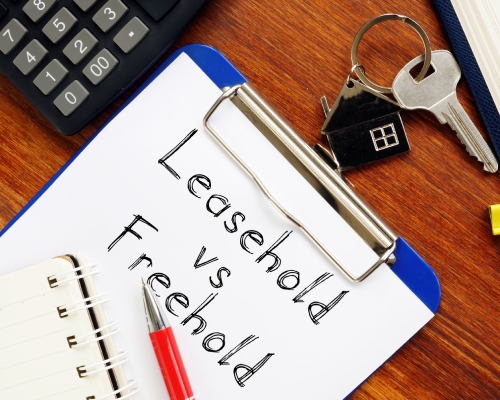
A bungalow can, however, be high maintenance. A leasehold flat, conversely, may have elements that are the responsibility of the freeholder, such as the grounds and the roof. The offset to this is services charges and ground rent. Home downsizing doesn’t have to be a bungalow or a flat – it could be a small house.
What Are The Costs Involved In Home Downsizing? Downsizing is no different to buying and selling a first or family home. You’ll pay an estate agent’s fee when selling and stamp duty when buying.
There will also be conveyancing costs attached to both parts of the transaction. Also factor in the cost of an EPC, if required, survey costs on the home you want to buy, and removal, clearance and storage costs.
And Finally…
If you are not sure if your downsizing house plans stack up financially, please get in touch for advice. We can show you available properties in Wimbledon Village, Wimbledon Chase, Putney or Clapham that are smaller and/or cheaper than where you currently live.