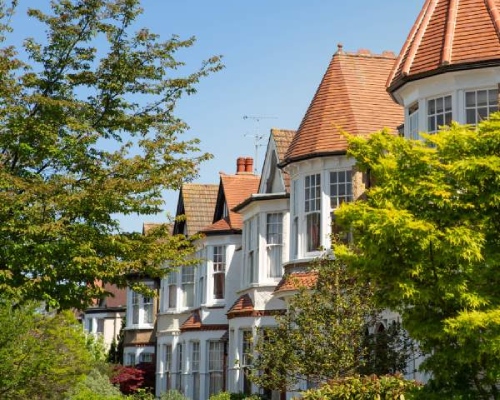
Find your perfect home.
Let us know what you are looking for in your new home and we will tailor our search to your requirements.

A generous garden in Wimbledon is a rare privilege. While many London homeowners make do with modest courtyards or pocket-sized patios, South West London’s leafy avenues offer something increasingly scarce: proper outdoor space with room to breathe.
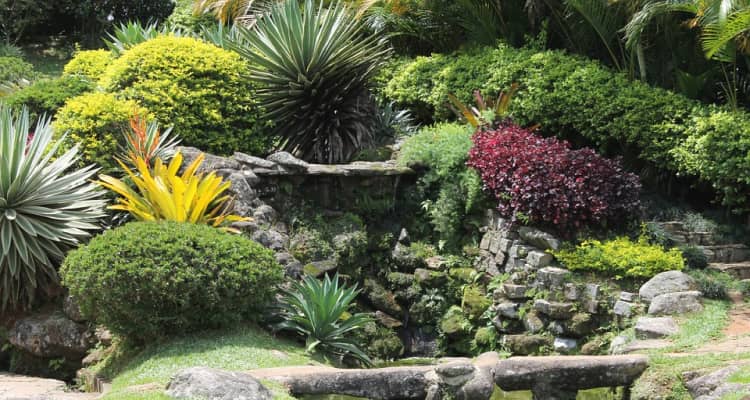
Yet owning a large garden and knowing what to do with it are different things entirely. The expanse that first attracted you can quickly feel overwhelming-where do you even start? Mature trees cast shade in unexpected places, borders seem to stretch endlessly, and the maintenance question looms large.
This guide walks you through everything you need to create a garden you’ll actually use and love:
Whether you’re starting from scratch or reimagining an established plot, thoughtful design transforms a large garden from a burden into your home’s greatest asset-both for daily enjoyment and long-term
One of the best ways to devise your own garden design is by looking at great examples – observing both the layout and the plants they contain. There are numerous botanical gardens across London which are well worth a visit. Here are a few for your consideration…
By far the best place to visit for inspiration. Kew Gardens has an exceptional range of manicured gardens, botanical enclosures and carefully landscaped expanses of plants from around the world. To name just a few locations within the park – there’s the Palm House, Mediterranean Garden, Rhododendron Dell, Japanese Gardens, Kitchen Garden and Bonsai House.

This is a smaller, though very carefully organised, walled garden, with a matrix of carefully shaped hedges, courtyards and an archway of ‘trained’ Wisterias to wander through. In between the shaped hedges are a carefully selected array of plants from around the world. This is a perfect example for using space and symmetry to shape an outdoor space.
This is the second oldest botanical garden in the UK, first established in 1673. Quite uniquely, the spaces here are designed around supporting and exploring medicinal plants in particular, with clever arrangements into beds, heated green houses and around water sources.
Situated in Battersea Park, Old English Gardens are carefully planned to provide beautiful – but different – plant displays across every season. As old plants die off in winter, others come into their prime, ensuring continuity. The disciplined approach to garden zones, attention to the seasons, and the management of light and space are excellent examples for any gardener.
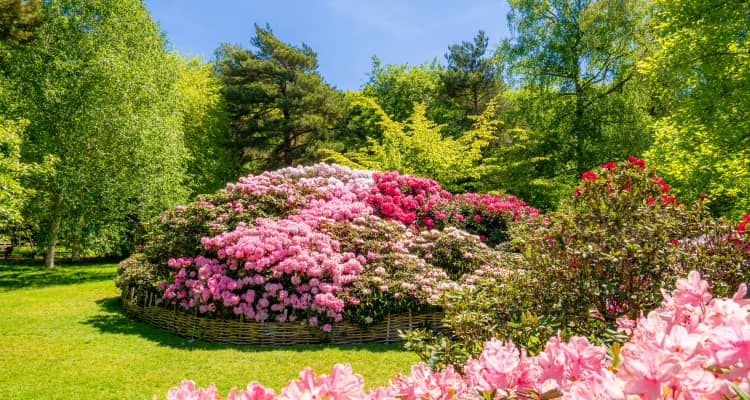
Located in Richmond Park, the Isabella Plantation offers 40 acres of water and woodland dedicated to growing evergreen azaleas. These gorgeous plants overhang the water with multi-coloured flowers, and are complemented by Rhododendrons, Magnolias and Camellia – as well as many unusual tree species.
You can always look at the RHS website for further spots to visit.
Planning Your Large Garden Layout
Before sketching a single design idea, spend time truly understanding your space. The best large gardens work with their site rather than against it-and that requires proper assessment.
Start by mapping these fundamentals:
Resist the urge to rush into decisions. Ideally, observe your garden through at least one full growing season before major changes. You’ll discover microclimates, problem areas and hidden opportunities that aren’t obvious at first glance.
Sketch rough zones on paper-a hand-drawn plan works perfectly well. Consider:
For structures over 2.5m high or covering significant area, check whether planning permission applies. Outbuildings in conservation areas-common across Wimbledon’s older neighbourhoods-may need additional approval.
Large gardens succeed when they’re divided into distinct areas rather than presented as one overwhelming expanse. Zones create purpose, turning empty lawn into a series of connected garden rooms-each with its own character and function.
Your main social space typically sits closest to the house, where utilities and access are easiest.
Large gardens allow something smaller plots cannot: genuinely secluded spots away from the house.
If you have children, allocate dedicated space that can evolve as they grow.
Growing your own food rewards effort with genuine pleasure-and large gardens accommodate proper kitchen gardens.
Dedicating space to nature transforms your garden’s ecology and reduces maintenance simultaneously.
For those wanting to take conservation further, the Countryside Stewardship scheme provides guidance on habitat management, though this applies primarily to larger rural plots.
The spaces between zones matter as much as the zones themselves. Create a sense of journey using:

The most common mistake in large garden planting? Dotting individual specimens across the space like scattered afterthoughts. The result looks sparse, disconnected and oddly empty despite containing plenty of plants.
At scale, plants need grouping for impact. The classic approach uses odd numbers-groups of 3, 5, 7 or more of the same variety-creating natural-looking swathes rather than horticultural postage stamps.
This applies to:
Large borders accommodate genuine layering from ground to canopy:
Anchor borders with substantial shrubs before adding perennials. Skeleton planting provides structure; everything else is decoration.
Large gardens viewed daily need plants performing across all seasons:
Random colour scattered across a large space looks chaotic. Instead:
Native planting deserves consideration too. UK natives support local wildlife far better than exotics, typically require less maintenance, and create planting schemes rooted in place rather than imported from elsewhere.
Traditional lawns demand substantial upkeep: weekly mowing from March to October, feeding, watering during dry spells, edging, scarifying, aerating. In a large garden, lawn maintenance alone can consume most of your gardening time.
Converting lawn areas to meadow is increasingly popular-and genuinely transformative for wildlife.
Where you want low planting without traditional grass:
Each alternative has limitations. Clover won’t tolerate heavy football games; chamomile sulks in clay; thyme needs sun. Match your choice to conditions and intended use.
Few large gardens work without some traditional lawn. Usable grass provides:
The strategy isn’t necessarily lawn elimination but lawn reduction. Convert peripheral areas while retaining functional lawn zones-perhaps a central sweep or a dedicated games lawn.
Extend borders gradually, create island beds within lawn areas, or allow wilder margins around boundaries. You’ll reduce mowing time while creating richer, more varied planting opportunities.
While plants provide colour and life, hardscaping gives your garden structure-the bones that remain visible when borders die back in winter.
Water features are perfect when you’ve got lots of space to play with – and there are numerous ways to do this. You could create a dedicated, authentic-looking pond space to attract wildlife. Alternatively, you can install a fountain with surrounding patio space and a pathway leading up to it, and use it as a garden centrepiece.
Large gardens also demand proportionate water features. A small bird bath looks lost in substantial grounds; consider:
Here are a few different types of water feature to consider, discussed in more detail:
Come dusk, unlit large gardens simply disappear. Thoughtful lighting extends usable hours, creates atmosphere and transforms how your outdoor space feels after dark.
Address functional needs first:
Beyond practicality, lighting creates magic:
| Consideration | Solar | Mains |
|---|---|---|
| Installation | DIY-friendly | Requires qualified electrician |
| Running cost | None | Modest |
| Reliability | Weather-dependent | Consistent |
| Brightness | Limited | Full range |
| Positioning | Needs sun exposure | Fully flexible |
Modern solar technology has improved dramatically-good quality units now provide reliable illumination throughout the year. For large gardens, a combination often works best: mains power for key permanent lighting, solar for supplementary atmosphere.
Less is more with garden lighting. Overlighting destroys atmosphere and creates the dreaded car park effect. Aim for pools of light and shadow, drawing the eye through the space rather than flooding it uniformly.

If you’re considering several features for your large garden, you might want to create a pathway (or pathways) to them. Paths are a great way to divide up your garden, and section off flower beds, patios, water features, seating areas, firepits and more. They also make it easier to traverse the garden when the ground is damp or where young plants are growing.
Every zone needs access, and path choice affects both aesthetics and maintenance – here are some examples with costs:
| Material | Character | Maintenance | Cost |
|---|---|---|---|
| Gravel | Informal, cottage feel | Needs topping up, weeding | Low |
| Natural stone | Timeless, premium | Occasional pressure washing | High |
| Brick | Period-appropriate, warm | Moss control needed | Medium |
| Stepping stones | Relaxed, naturalistic | Minimal | Low-medium |
| Grass paths | Soft, seamless | Weekly mowing in season | Low |
Tip – Path width matters: 90cm allows comfortable single-file walking; 1.2m lets two people stroll together; 1.5m+ accommodates wheelbarrows and maintenance access.
There are several material types you might want to use, depending upon your budget and desired aesthetic. Here are several more options (which you could even combine):
The options here are extensive – from a paved and bricked spot to house a barbecue, to an outdoor cooking space, or even a domed, wood-fire pizza oven!
If you’re keen to entertain, then a cooking installation is ideal to add adjacent to any paved space or patio area. Likewise, you should select hard-wearing garden furniture to complement the space, preferably the sort which is stable and easy to clean if you plan to dine there.
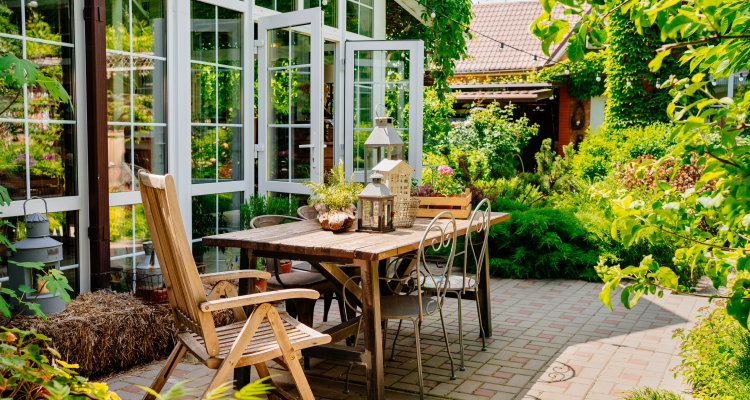
Since a large percentage of people still do hybrid work, or work entirely remotely, an office is an excellent addition to a large garden. This gives you a distinct space to work in, surrounded by green space and separate from the home.
Costs vary according to the materials used, the size and the extent of your requirements – but it is also easily adjusted to your budget. Likewise a simpler garden shed can be an excellent option for storage and DIY projects. And, if you find you need more space in the home, a large garden should hopefully give you the option to extend onto the lawn.
These structures can be used to create year-round functionality. Here are few options for garden buildings to include:
The best approach to garden design? Simply create a garden you genuinely love using quality materials and sensible design principles.
Honesty time: large gardens require significant ongoing commitment. Before finalising any design, consider realistically how much time you’ll spend maintaining it.
A traditional large garden with extensive lawn, formal hedging and packed borders might need 8-10 hours weekly during peak growing season. A lower-maintenance design with meadow areas, shrub-heavy planting and reduced lawn could halve that.
If time is limited, think twice about:
Design choices that reduce workload:
A simple calendar helps spread tasks:
Many large garden owners use professional maintenance for some or all tasks. Budget considerations:
Even low-maintenance gardens need some care. Design for your realistic availability, not an idealised version of yourself who’ll suddenly discover unlimited gardening enthusiasm.
Wimbledon’s established residential character brings specific considerations for garden design.
Most of Wimbledon sits on London clay-heavy, moisture-retentive in winter, cracking in dry summers. This affects everything:
Wimbledon’s leafy character means many mature trees carry Tree Preservation Orders (TPOs). Before removing or significantly pruning any established tree, check with Merton Council. Fines for unauthorised work on protected trees are substantial.
Even trees without TPOs may be protected if your property lies within a conservation area-and several Wimbledon neighbourhoods have this designation.
Many Wimbledon properties date from the Victorian and Edwardian eras, when gardens were designed with particular characteristics:
Contemporary design can work beautifully with period properties, but jarring contrasts rarely succeed. The most successful large gardens in Wimbledon blend traditional structure with modern planting.
In residential areas, garden design affects neighbours. Consider:
A well-designed large garden adds genuine value to Wimbledon properties-but this shouldn’t be your only motivation. Gardens created purely for resale often lack the soul that makes outdoor spaces truly special.
Based on what sells well locally:
Some improvements please you but won’t necessarily translate to higher offers:
Focus on reducing high-maintenance features rather than adding labour-saving shortcuts. Convert peripheral lawn areas to meadow, choose shrub-heavy planting over perennial borders, and accept some wildness in less-visible areas. Design for your realistic time availability, not an idealised gardening schedule.
Use a combination of physical and visual separators. Hedges, trellis and tall planting create actual divisions; changes in surface material, level or planting style suggest separation without solid barriers. Paths connecting zones should curve or include thresholds (archways, pergolas) to create a sense of journey between areas.
Costs vary enormously depending on scope and materials. Basic landscaping (new lawn, simple borders, standard paving) might start around £15,000-25,000 for a substantial garden. Comprehensive redesigns with quality materials, garden buildings and mature planting can reach £50,000-100,000+. Always obtain multiple detailed quotes.
Professional designers bring expertise in spatial planning, plant knowledge and project management that justify their fees for substantial projects. For complex sites or significant budgets, a designer typically saves money through better specification and contractor management. For simpler projects or tight budgets, detailed research and careful planning can achieve good results independently.
Allow areas to grow wild rather than maintaining everything intensively. Add a pond (even a small one dramatically increases biodiversity), leave log piles and leaf litter in quiet corners, plant native species, and reduce chemical use. Wildlife thrives on benign neglect-the most wildlife-rich gardens are rarely the most manicured.
Clay soil and urban conditions suit native species like field maple, hawthorn, rowan and wild cherry. For ornamental impact, consider magnolias (which tolerate clay), amelanchiers for spring blossom and autumn colour, or Japanese maples in sheltered spots. Avoid fast-growing species like leylandii or eucalyptus that quickly cause problems with size and maintenance.
There are so many options when it comes to garden design – especially in Wimbledon Village, Wimbledon Chase, Wimbledon Park, South Wimbledon, Coombe and Raynes Park where plenty of properties contain large gardens.
If you’re looking to maximise your space and add value to your home, then talk to us today. We can provide a free valuation, and help you understand how to make your property even more desirable to potential buyers.
Explore our other local guides covering Wimbledon’s best gyms and where to eat out in Wimbledon.
Let us know what you are looking for in your new home and we will tailor our search to your requirements.
Book a quick phone consultation with one of our negotiators.

"*" indicates required fields