Property Valuation?
Looking to Sell or Let Your Property? Book Your Free Property Valuation with one of our experts.

Property Valuation
"*" indicates required fields

Subsidence is one of the most serious structural issues a homeowner can face, and properties across south west London are particularly vulnerable. With much of Wimbledon, Coombe, Putney, Roehampton, and the surrounding areas built on London Clay – one of the most shrinkable soil types in the country – understanding the signs of subsidence is essential for protecting your home and its value.
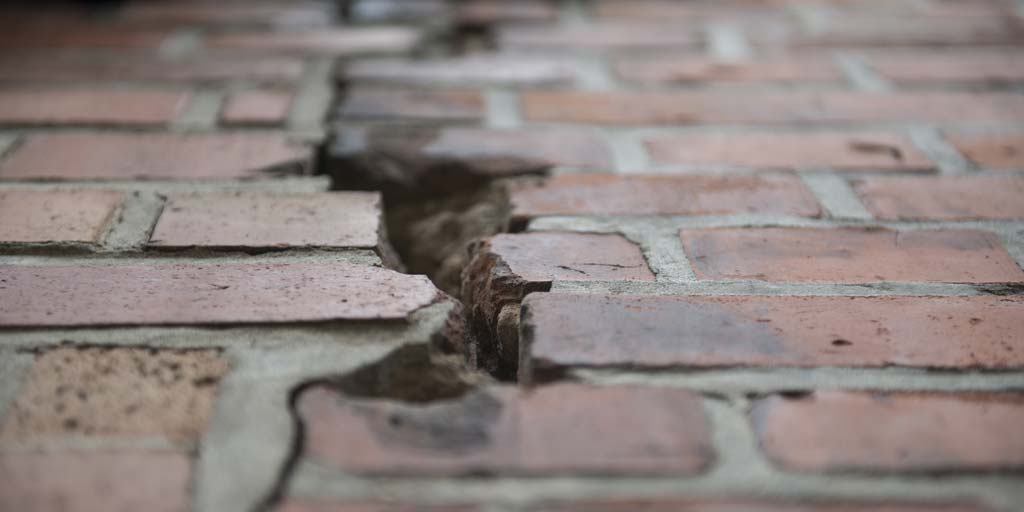
According to the British Geological Survey (BGS), the number of London properties likely to be affected by climate-related subsidence could rise to 43% by 2030. Whether you’re a long-term homeowner, a recent buyer, or considering selling, this guide will help you identify the warning signs of subsidence early – before small cracks become costly structural problems.
Subsidence occurs when the ground beneath a property begins to sink, causing the building’s foundations to shift and become unstable. This downward movement is distinct from ground heave (upward movement of the ground) and settlement (the natural, gradual compression that occurs in the years after a property is built).
When subsidence takes hold, it typically affects one part of a building more than another, creating uneven stresses across the structure. Left untreated, it can compromise your home’s structural integrity and reduce its market value by as much as 20%. The good news is that early detection makes treatment far simpler, less disruptive, and significantly cheaper.
Not every crack in a wall means your house is subsiding. Hairline cracks under 0.5mm wide are perfectly normal, particularly in newer properties as they settle. However, there are several distinctive warning signs that should prompt further investigation.
This is the most recognisable sign of subsidence. Cracks caused by ground movement have several distinguishing characteristics that set them apart from harmless cosmetic cracks:
If cracks are getting progressively wider or longer over time, this is a strong indicator of active, ongoing subsidence rather than historic movement. You can monitor this by marking the ends of cracks with pencil and dating them, or by using simple crack monitors available from most DIY stores.
When the ground beneath your home shifts, it distorts the structural frames that support doors and windows. You may notice doors that suddenly become difficult to open or close, windows that no longer sit squarely in their frames, newly formed gaps around door or window frames, and latches or locks that no longer align properly.
While seasonal swelling from humidity can cause similar symptoms, the key difference is that subsidence-related sticking tends to worsen over time and coincides with other signs such as cracking.
If you notice your wallpaper wrinkling, creasing, or tearing at the wall-to-ceiling joint – and there are no signs of dampness or condensation – it could indicate that the wall behind is moving. Check your windows for condensation first thing in the morning. If the air is dry and the wallpaper is still distorting, subsidence may be the cause.
Floors that feel uneven, spongy, or visibly slope in one direction can signal that the ground beneath your home is collapsing. You may also notice gaps appearing between your skirting boards and the floor. Older properties in areas like Wimbledon Village and Coombe often have some degree of unevenness from historic settlement, but a sudden or worsening lean warrants professional assessment.
Subsidence often becomes visible outside the property before it manifests inside. Look for cracks forming in concrete driveways or patios, raised or lowered sections of paving, gaps appearing between the house wall and adjoining paths or slabs, and slight dips in the ground near the foundations.
Extensions and conservatories are often the first areas affected, as the junction between the original building and the addition is a natural weak point.
As a building shifts, internal joints begin to separate. Widening gaps between skirting boards and walls, separation of coving from ceilings, and cracks above door frames or at wall-to-ceiling junctions are all subtle early indicators that the structure is under strain from ground movement.
London has one of the highest shrink-swell clay hazards in the country, and the majority of homes across the Greater London area are built on London Clay. This type of soil is highly reactive to changes in moisture content: it swells when wet and shrinks dramatically when dry.
For homeowners in Wimbledon, Raynes Park, Putney, Kingston Hill, and surrounding areas, this creates a particular risk during prolonged dry summers and droughts, when clay soil can lose significant volume. South-facing walls are especially vulnerable, as they experience more drying from sun exposure.
Several additional factors compound the risk for south west London properties:
If you notice any of the warning signs described above, it is important to act promptly. Early intervention is almost always less expensive and less disruptive than dealing with advanced structural damage.
The appropriate treatment depends entirely on the cause and severity of the subsidence. In many cases, addressing the root cause – such as removing a problematic tree or repairing a leaking drain – is sufficient to stabilise the property without the need for major structural work.
Where underpinning is required, there are several methods available. Traditional mass concrete underpinning involves excavating beneath the existing foundations and pouring new concrete to create deeper, more stable footings. This is the most established method but can be disruptive, typically taking several weeks. Mini-piling is used where deeper foundations are needed or where access is restricted, and involves driving steel piles into more stable ground. Resin injection is a modern, less invasive alternative that involves injecting expanding polyurethane resin into the soil beneath the foundations to fill voids and compact the ground. This method can often be completed in a single day with minimal disruption.
The cost of subsidence repair varies considerably depending on the method and extent of work required. For a typical three-bedroom semi-detached house requiring underpinning along a single wall, homeowners can expect costs in the region of £11,000 to £23,000 depending on the method chosen. The Checkatrade website (checkatrade.com) provides detailed breakdowns of current repair costs.
A history of subsidence can reduce a property’s market value, and sellers are legally required to disclose any known subsidence when completing the TA6 Property Information Form as part of the conveyancing process. However, properties where subsidence has been professionally investigated, treated, and signed off can still achieve strong prices – particularly in desirable south west London locations where demand remains high.
If you are buying a property with a subsidence history, ensure the seller provides full documentation of all investigations, monitoring reports, and remedial works carried out. Your conveyancing solicitor and surveyor should review these carefully. The Government’s guidance on property disclosures through GOV.UK (gov.uk/buy-sell-your-home) provides useful information for both buyers and sellers.
While it is not possible to eliminate the risk of subsidence entirely – particularly on clay soil – there are practical steps every homeowner can take to reduce their exposure:
Normal settlement cracks are typically hairline (less than 0.5mm), run vertically or horizontally, and stop growing after a year or two.
Subsidence cracks, by contrast, run diagonally, measure more than 3mm wide, are wider at the top than the bottom, appear near doors and windows, and are visible from both inside and outside the property. If you are unsure, consult a structural engineer or chartered surveyor for a professional assessment.
Most standard buildings insurance policies include subsidence cover, though the excess is typically higher than for other claims – commonly £1,000. Your insurer will usually appoint a surveyor to assess the damage and recommend a course of action.
Pre-existing subsidence or damage caused by poor maintenance may not be covered, so it is important to check the terms of your policy carefully. The Association of British Insurers provides detailed guidance on subsidence claims and cover.
Yes, you can sell a property affected by subsidence, but you are legally required to declare it. Properties with a well-documented history of professional treatment and monitoring can still achieve competitive prices, particularly in sought-after areas.
Buyers may negotiate on price to account for the history, and some mortgage lenders may require additional assurances that the issue has been fully resolved. An experienced local estate agent can advise on the best approach to marketing a property with a subsidence history.
Costs vary widely depending on the cause and severity. Simple remedial measures such as tree removal or drain repair may cost a few hundred to a few thousand pounds. Where underpinning is necessary, costs typically range from around £6,000 to £25,000 for a standard residential property, with resin injection at the lower end and mini-piling at the higher end. In severe cases involving large or complex properties, costs can exceed £50,000.
South west London is considered a higher-risk area for subsidence due to the prevalence of London Clay beneath much of the region. The combination of clay soil, mature tree-lined streets, and a significant stock of Victorian and Edwardian properties with shallow foundations means that homeowners should be particularly vigilant.
However, not every property will be affected, and proactive management of trees and drainage can significantly reduce the risk. The British Geological Survey offers a free online tool (bgs.ac.uk) where you can check the shrink-swell risk for your postcode.
Subsidence is the downward movement of the ground beneath a building, causing foundations to sink. Settlement is the natural, gradual compression of soil under the weight of a relatively new building – it is expected, usually minor, and typically stops within a few years.
Heave is the upward movement of the ground, often caused by clay soil absorbing water and expanding, or by the removal of a tree that was previously drawing moisture from the soil. Each requires a different approach to diagnosis and treatment.
Absolutely. Given the higher subsidence risk in the area, an RICS Level 2 (HomeBuyer) or Level 3 (Building Survey) is strongly recommended when purchasing any property in south west London.
A Level 3 survey is particularly advisable for older properties, those near large trees, or any home where you have noticed potential signs of movement. The survey report will flag any structural concerns and recommend further investigation if needed.
At Robert Holmes, we have been advising homeowners, buyers, and sellers across Wimbledon, Coombe, Kingston Hill, Putney, Roehampton, and the wider south west London area since 1987. As RICS-regulated chartered surveyors and one of the area’s leading independent estate agents, we understand the local property market inside out – including the specific challenges that clay soil and subsidence can present.
Whether you’re concerned about signs of subsidence in your current home, thinking about selling a property with a subsidence history, or looking to buy with confidence in south west London, our experienced team is here to help.
Contact Robert Holmes today for a free, no-obligation property valuation or expert advice on buying and selling in south west London.
Looking to Sell or Let Your Property? Book Your Free Property Valuation with one of our experts.
"*" indicates required fields
Book a quick phone consultation with one of our negotiators.
"*" indicates required fields