Property Valuation?
Looking to Sell or Let Your Property? Book Your Free Property Valuation with one of our experts.

Property Valuation
"*" indicates required fields

The trend for buying off-plan properties has been strong over the past decade. While sales have slowed since their 2017 peak, a third of new build homes are sold off-plan.
If you’re seeking a new build home in South Wimbledon or Wimbledon Village, or well-situated flat in Putney, Wandsworth or Battersea, acting fast can ensure you clinch a desirable new build development in a prime location.
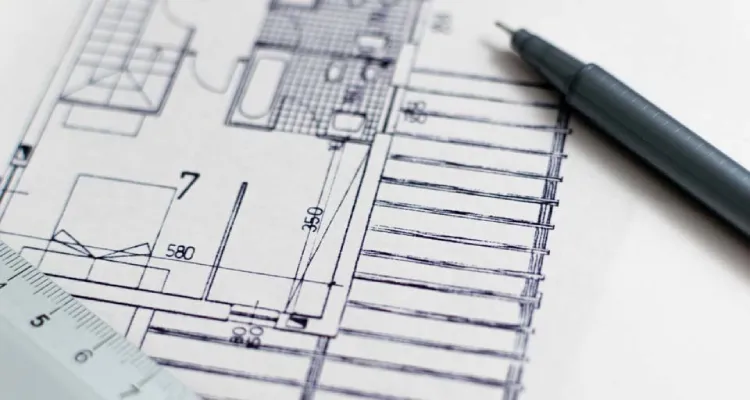
But you should also understand exactly what to expect and know what questions to ask when buying off-plan. In this article, we look at what buying off-plan means, the pros and cons, and offer tips to help you get the best deal on your perfect home.
Buying property off-plan means buying it before it has been built. Although this may sound risky, there are several advantages. Buying earlier in the development means you will be able to pick the best plot, and some developers will offer a discount on the purchase price. With average Wimbledon house prices standing at £857,352 according to Rightmove, the prospect of saving may be appealing.
However, there can be difficulties with securing a mortgage for an off-plan property as most mortgage offers are only valid for six months. Depending on the stage the build is at, your completion date could be further in the future.
The process of buying a house off plan usually follows the pattern laid out below, though there is always some variation depending upon the developers and the specific housing project in question.
Use a local estate agent to find a property development in the area you want to live. If you are considering buying in Wimbledon or the surrounding area, our sales team can help. It is a good idea to secure an offer in principle from a mortgage lender so you know you can borrow sufficient funds to afford the property. Also, make sure you have the money available to pay the deposit.
This is usually £1,000 and is deducted from the deposit you pay on the exchange of contracts
Your solicitor will go through the same legal process as when you’re buying any property, including local searches and looking at the contract. This process typically takes around 3-4 weeks.
Unless you are a cash buyer, you will need to arrange a mortgage. Most mortgage providers have stricter lending criteria for new-build properties as new builds often devalue slightly in the first few years. When buying property off-plan, be aware of how long your mortgage offer is valid and whether your property will be ready before that date. Some mortgage lenders offer specialist new-build mortgages with extended validity periods.
Exchange of contracts usually happens pretty quickly with new-build properties, often within 28 days of reserving the property. Most developers ask for between 10% and 30% of the agreed sale price.
You now need to wait for your new home to be built. You should receive regular updates from the developer letting you know how the construction is progressing.
Here are 13 important tips to consider if you’re keen to buy an off-plan home. They’ll help you get your money’s worth, and ensure your purchase is secure and safe.
If you need a loan, be aware that mortgage offers generally expire after six months. If yours is a lengthy construction project, you could find yourself without finance before you’re in a position to buy the property, meaning you could lose your deposit. Look for a mortgage lender with offers lasting at least 12 months or consult a mortgage broker experienced in off-plan property investments.
Developers can get into financial trouble and end up going bust before the development you’ve bought on is finished. To avoid this, research the developer building the property thoroughly. If possible, avoid using a developer who is just starting out and has no history to check. To protect your deposit, ensure the developer is covered by an insurance policy that will pay you back if they fail to complete the property.
As with any other property purchase, carefully research the local area and any significant projects in the pipeline. Consider transport links, shops, amenities, leisure facilities and schools to ensure the property is right for you and will hold its value.
There are so many variables in construction that the development will likely complete at least a little bit later than planned. Keep an eye on the progress of the development by making regular site visits and maintaining open communication with the developer.
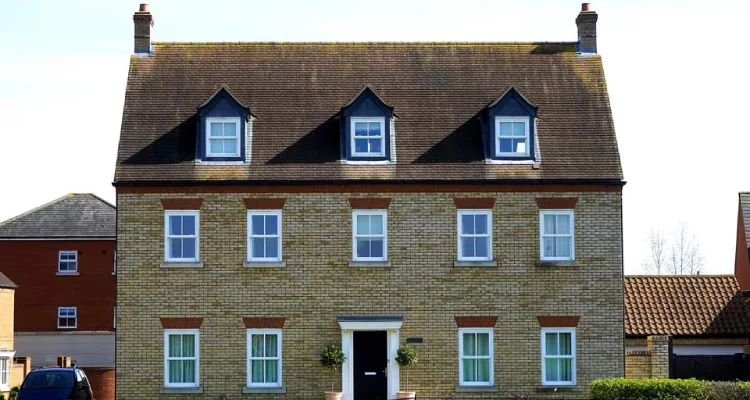
In the final weeks before completion, make sure there are no defects or annoying issues that may cause problems in the future.
If your property is among the first to be finished, you need to make sure there will be proper access and minimal disruption caused by work to the rest of the site
Make sure you use specialist solicitors experienced in the legalities and processes of buying off-plan property. There are quirks that don’t occur with existing home purchases, and you need a solicitor who is one step ahead.
Research and assess the local property market to gauge future value growth, and whether now is a good time to buy off-plan. Property market experts in your area can lend further insight.
The payment schedule for buying off-plan can be quite different to a purchasing an existing property, so check to avoid surprises. It will usually include:
Verify that the deposit is protected by a recognised warranty scheme such as NHBC Buildmark, LABC Warranty, Build-Zone Warranty and Premier Guarantee New Home Warranty. These schemes protect your deposit in case the developer cannot complete the property or goes bust. However, always clarify whether all or part of your payment is protected.
Ongoing costs may be packaged as estate managements fees and built into the property deeds. It’s vital that you understand them and how they could increase over time, before you commit. Charges may include:
As well as viewing the plans, visit the show home for a realistic idea of the property’s size and layout. If that’s not possible, request a virtual tour or visit another of the developer’s sites.#
Hold-ups are common, so prepare for potential delays in completion and form a contingency plan. For example, consider your own home sale and the expiry date on your mortgage offer.
Ultimately, you will need to weigh up whether it’s best to buy a house off plan or look into other options. Here’s an overview of the pros and cons to help you weigh things up.
If you’re thinking about buying property off-plan in Wimbledon, Coombe, Roehampton or Kingston, contact us today – we’d be delighted to show you the property developments in our area and advise you on your purchase.
Looking to Sell or Let Your Property? Book Your Free Property Valuation with one of our experts.
"*" indicates required fields
Book a quick phone consultation with one of our negotiators.
"*" indicates required fields