Find your perfect home.
Let us know what you are looking for in your new home and we will tailor our search to your requirements.

When searching for the right property for you and your family, you’ll want to limit surprises once you’ve made an offer. Viewing homes in Wimbledon, South Wimbledon, Wandsworth, Battersea, Putney or beyond gives you the chance to inspect a property closer up and ask questions. The challenge will be to stay focused and not get sidetracked when you step inside.
We’ve outlined the things to look for when buying a house so you can spot potential issues, and save yourself time and money.
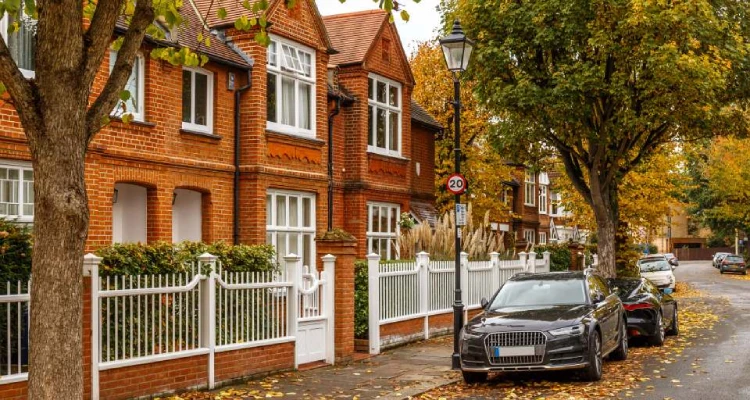
Living in South West London often includes the benefit of excellent local schools, access to green space, good public transport links, (and if you’re near Wimbledon) one of the world’s most iconic sporting events on your doorstep. With properties across the area in high demand, it’s tempting to make a quick decision – and all too easy to miss out on your dream home if you aren’t organised.
Make sure you’re prepared by reading our checklist of everything you need to know when buying a house in South West London:
If you’re a first time buyer or worried you’ll forget what to look for when buying a house, take a partner, friend or family member with you to the viewing. It always helps to have someone to guide you back to your house viewing checklist, bounce ideas off and give you a second opinion.
Look at the property’s exterior to get an idea of whether the property is structurally sound. What is the general condition of the brickwork or rendering? Look out for big cracks, especially around where extensions join, end-of-terrace walls and bay windows.
Pay attention to the roof, if it looks reasonably new that is a good sign. Look for missing or cracked tiles and check whether the fascia (the wooden section under the roof) looks okay. Use the view from the upper floor windows to check the boundary – noting hedges, fences, walls and driveways. Consider reading this article on boundaries before you arrive.
Replacing windows and doors can be very expensive, so check them for any signs of rotten frames, ageing glazing, warped doors or any other potential issues.
From a security perspective, doors and windows should be in good condition and fitted with high-quality locks that meet the requirements of insurance companies. Without the approved locks, the property will be more at risk of burglary, and you may have to pay more for your insurance policy.
Resolving the cause of damp and repairing the damage it has caused can be costly. Signs of damp include a mouldy smell, black, grey or green mottled stains, flaky plaster and watermarked walls or ceilings.
Inspect any visible pipework in the kitchen and bathroom for signs of leaks or water damage. Run the taps to check the water pressure and see how long it takes to run hot water.
Ask the estate agent about the boiler’s age, whether it has been regularly serviced and if it is still under warranty. It’s also helpful to know if the boiler is on a service plan/warranty that could be transferred to the home’s new owner. Make sure the heating system works and that it is gas safe.

Faulty wiring can be dangerous and paying to rewire your home is expensive, so this is important to check when viewing a house. A survey will show if the property needs electrical safety updates, like rewiring, but you can get an indication of the state of the wiring by looking at the fuse box. Also, check the age and condition of the plug sockets and light switches. If they look old and outdated, there is a good chance the electrical wiring is too.
These days we all have many electric appliances and gadgets, consider whether there are enough plug points in each room for all of yours.
Clever staging and good lighting can mean that room sizes are quite different when viewing the property in person. If you are keeping your existing furniture, you should ensure that it will fit into your new home.
You should measure all your larger furniture items such as the sofa, dining table, beds etc. and list the measurements, then take a tape measure with you on the viewing, to check it will fit. Otherwise, you could end up having to pay for new furniture on top of your moving costs.
The property’s Energy Performance Certificate (EPC) will tell you how energy efficient the property is. The seller or estate agent should have a copy. If not, you can search for any property’s EPC at gov.uk. Also ask to see some gas and electricity bills from peak winter months, and check whether there’s an EV charging point.
Check windows, glazing and doors. Is it single or double glazing? Are any of the units misty or running with condensation? Place your hand around window and door seals – can you feel a draught? How old is the glazing and do the sellers have FENSA certificates?
A quarter of a home’s heat is lost through the roof, so loft insulation can dramatically affect your energy bills. Stand under the loft hatch and feel if there’s a draught. Check if there’s easy loft access and, if possible, gain access to check for insulation, storage potential, boarding and any gaps left my missing roof tiles.
It can be tempting to pay for the cheapest survey option but saving a few hundred pounds in the short run could cost you thousands later. The most basic survey will not identify all potential problems, while a home buyer’s survey is more thorough.
A RICS Home Survey Level 1 will cost around £300 to £900. A RICS Home Survey Level 2 survey will be in the region of £400 to £1,000. A RICS Level 3 survey is the most in-depth but the most expensive, starting around £1,500.
You can find out more about the three different levels of survey in this article – what type of survey should I have?
If you are buying a home that is over 50 years old, it is recommended that you have a more comprehensive survey. If the survey suggests repair work, get quotes for the job so that you know exactly how much it will cost. You might still want to proceed with the purchase but could use the repair costs to renegotiate the house price.
Clever home staging can make a home more appealing than it really is. For example, mirror placement can trick you into believing there is more space and a fresh coat of paint can cover the cracks (or damp patches).
Some areas have significantly better mobile signal and broadband speed than others. When you are viewing the property, check the signal on your mobile. You can also use online tools to find out what the broadband speed is like for the local area.
One of the most overlooked things to check when buying a house is which direction the house faces. If you are unsure, download a compass app on your phone.
Your own preferences may dictate what to look for when buying a house when it comes to direction. A north-facing home or garden will get less sun in the summer, and rooms may be dark during the winter. A south-facing garden will get plenty of light and warmth in the summer, but the rooms could get unbearably hot, especially if the property has large bi-folding doors.

Is there enough cupboard space for all your stuff? Where will you keep your vacuum cleaner, spare towels and bedding? Is there room for cupboards or shelves to be built in?
Many terraced and semi-detached properties have poor soundproofing meaning noise from neighbouring houses can be heard in the property. This it may cause a long-term nuisance. Pay attention to this as you are looking around. If the owner has a radio or television on during the viewing, ask for it to be turned down.
It can be hard to stay objective and focused if you instantly fall in love with the property. That’s why you should arrive prepared. With so many important questions to ask when buying a property, a house viewing checklist ensures you don’t leave with unanswered questions or with gaps in your property knowledge.
Your checklist could look like:
Things to check when buying a home include:
Don’t assume that appliances, fixtures and fittings will be left when the sellers move out. Some white goods may be included in the purchase price but it is a good idea to check with the estate agent. Fittings are easily removed, such as free-standing appliances, curtain rails and carpets. What some people think will automatically be included when buying a home might differ from what the sellers actually leave, so make sure to ask.
The TA10 Fittings and Contents form will tell you what’s being removed, left behind or available to purchase from the seller but this information can come quite late in the conveyancing process. It’s good to know upfront so you can budget for what you may need to replace.
Drive around the nearby streets at different times of the day and night. This will give you a comprehensive snapshot of the neighbourhood and reveal anything potentially problematic. Find out what shops, restaurants and other facilities are nearby. Check out your commute to work and look around local schools.

The UK’s leasehold system means many buyers of flats actually only purchase the property and not the land it sits on. The Government doesn’t think this system is fair and its draft Leasehold and Commonhold Reform Bill (published January 2026) proposes to make sweeping changes.
When made law, it should make buying leasehold property simpler and cheaper, and make it easier for leaseholders to buy their freeholder or switch to commonhold tenure. Another key proposal is capping grounds rent to £250 in the first instance, then reducing them to a peppercorn figure of £0 over a 40-year period.
Transparency is also set to improve, with freeholders and managing agents mandated to use uniform templates for service charge invoices, budgets, and year-end reconciliations.
The Leasehold and Commonhold Reform Bill is scheduled to become an Act this year, with implementation due in 2027 or 2028.
For now, there are some additional details that you should check if you are viewing a leasehold flat. These include:
| Freehold tenure | Leasehold tenure |
|---|---|
| The buyer owns the property and the land it sits on | The buyer owns the property for a set number of years, while the freeholder owns the land |
| There is no limit on the time the owner can occupy the property | The leaseholder is only allowed to own the property for a set number of years. They have to move out when the lease expires or apply to extend the lease at their own cost |
| No ground rent to pay | Ground rent payable to the freeholder while the leaseholder owns the property |
| If buying a flat in a block, the owners are responsible for the maintenance of communal areas and the building’s structure, covering the cost themselves | If buying a flat in a block, the responsibility for the maintenance of communal areas and the building’s structure will be taken on by the freeholder or their appointed property manager. The service charge will cover most of the running costs |
| No restrictions on decorating or structural alternations, as long as work complies with planning permission, Conservation Areas and any English Heritage listed status | Frequent restrictions on decorating and structural alternations, as well as convents that affect behaviour, such as no drying laundry on balconies, for example |
| More attractive to potential buyers as less restrictive and fewer long-term costs | Can put buyers off due to the complex ownership structure, cost of extending a lease/buying the freehold and annual fees |
| Cheaper conveyancing fee when buying a freehold property as more straightforward | More expensive conveyancing fee when buying a freehold property, due to complexity and extra work needed |
There are some unique issues when it comes to buying new builds. Here’s a house checklist of what to ask and look for before buying a new build, as a starting point:
Don’t forget, the Leasehold Reform (Ground Rent) Act 2022 came into force on 30th June 2022. This banned ground rent on all new long leases of flats and houses, setting the ground rent to a peppercorn £0.
If you’re buying a house to flip, you may find that older properties can surprise you (and your budget). Know what to ask the estate agent and what to look for when buying a Victorian, Edwardian or even a 20th century property to renovate. For instance:
There arIf you’re planning on making an offer on an investment property, there are some further things to ask and look for:
Are you looking to buy a property in Wimbledon, Wimbledon Village, Coombe Hill, Merton Park or the surrounding area? We know the local property market and have many fabulous homes on our books, so if you’re a buyer looking in the area, get in touch with us today.
Ask about the age and condition of the boiler, roof, windows and wiring, whether the property has ever flooded, and how long it has been on the market. Find out the seller’s reason for moving, how many offers have come in, and what fixtures and fittings are included in the sale price.
There’s no single most important check, but structural condition and damp carry the biggest financial risk. Cracks around extensions or bay windows, a sagging roofline, and musty smells or watermarked walls all point to costly repairs. A proper survey confirms whether these issues are cosmetic or serious before you commit.
View a property at least twice before making an offer, ideally at different times of day. A morning visit shows traffic and school-run noise, while an evening visit reveals parking pressure and how the street feels after dark. For a family home in a popular area like Wimbledon or Wandsworth, a local agent can help arrange a second or third viewing to suit your schedule.
Check the number of years left on the lease, the ground rent, and the service charge, and ask whether any major works are planned and how they’re being funded. Find out if there’s an active residents’ committee, what condition the communal areas are in, and whether the flat has cladding, as this can affect a lender’s willingness to offer a mortgage.
A survey isn’t a legal requirement, but skipping one is a false economy since it can miss issues that cost far more to fix later. A RICS Level 1 survey costs roughly £300 to £900, a Level 2 around £400 to £1,000, and a Level 3 from about £1,500 for older or altered properties. Anything over 50 years old usually warrants at least a Level 2.
Beyond the price itself, budget for stamp duty, a survey costing anywhere from £300 to £1,500 or more depending on the level, and solicitor or conveyancing fees. Add mortgage arrangement and valuation fees, buildings insurance from exchange, and removal costs. Leasehold buyers should also factor in ground rent and service charges.
Confirm the developer has secured full planning permission and ask whether any incentives are on offer, such as the developer covering your stamp duty. If it’s a shared ownership scheme, check the restrictions carefully before committing. New builds typically come with a 10 year structural warranty, so ask which provider is used and what it covers, and get your solicitor to verify the details.
Damp usually shows up as a musty smell, black or green mottled staining, flaky plaster or watermarks on walls and ceilings, particularly in corners and around windows. Structural problems are often visible from outside first. Look for large cracks around extensions, end-of-terrace walls or bay windows, and check whether doors and windows stick or fail to close properly.
Buying a house in the UK typically takes around 12 to 16 weeks from an accepted offer to completion, though this varies with the length of the chain and whether the property is leasehold. Straightforward freehold purchases with no chain can complete faster, while leasehold sales often take longer due to extra searches and management company enquiries.
Let us know what you are looking for in your new home and we will tailor our search to your requirements.
Book a quick phone consultation with one of our negotiators.

"*" indicates required fields