Property Valuation?
Looking to Sell or Let Your Property? Book Your Free Property Valuation with one of our experts.

Property Valuation
"*" indicates required fields

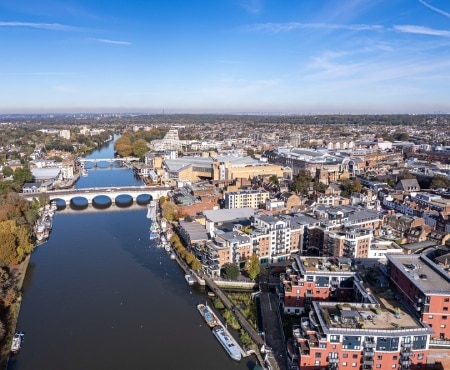
Property prices in New Malden can vary considerably even when they sit a few minutes’ walk from one another.
The difference is rarely just size. It comes down to which side of the railway line a road sits on, whether it falls within a conservation area, how close it is to the catchment boundary of a sought-after primary school, and whether the road itself is a through route or a quiet residential loop. Getting that choice wrong costs money. Choosing the right area, especially for a landlord assessing yield against capital outlay, can make a significant difference in investment returns.
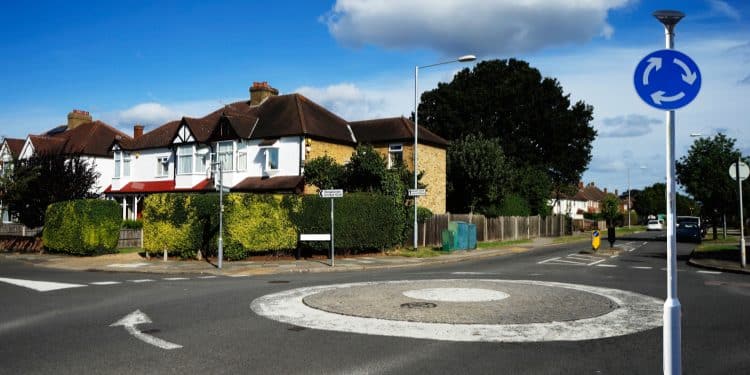
New Malden sits in the KT3 postcode, straddling the Royal Borough of Kingston upon Thames and the London Borough of Merton. The area north of the high street, towards Coombe and the Kingston boundary, has a quite different character from the streets south of the railway, which run into Worcester Park and Raynes Park. Within those broad zones, further distinctions matter: conservation area coverage, school catchment boundaries, and proximity to New Malden station all influence price variation at the street level. This guide works through those distinctions in practical terms, so you can focus your search on the most suitable part of the area.
The most sought-after addresses in New Malden cluster in two distinct directions: northward, towards the Coombe and Cambridge Road Estate area, where large detached and semi-detached houses sit on generous plots; and westward, on the roads closest to the station and the better primary school catchments.
For flat buyers, the streets closest to New Malden station, particularly those on the north side of the high street, offer the strongest rental demand and the most liquid resale market. Roads within a five-minute walk of the station consistently attract interest from both owner-occupiers commuting to London Waterloo and landlords targeting that same tenant profile.
According to the most recently published figures from Rightmove, the overall average sale price in New Malden across the past year was approximately £682,694, with terraced houses averaging £683,121, semi-detached properties £802,242, and flats £362,949. Street-level variation within those figures is significant, with the premium roads in the Cambridge Road Estate area sitting above the semi-detached average and the quieter, less prominent streets running below it.
New Malden divides into four broadly distinct pockets, each with its own price character and buyer profile.
| Zone | Character | Who it suits | Price indicator |
|---|---|---|---|
| North New Malden | Large Edwardian and inter-war houses, generous plots, quiet residential roads | Family buyers, upsizers from inner SW London | Above KT3 average; approaches Coombe pricing on best roads |
| Station Quarter | Mixed Victorian terraces and purpose-built flats, strong transport access | Commuters, first-time buyers, buy-to-let investors | Around or slightly below KT3 average for houses; flat prices competitive |
| South New Malden | Victorian terraces, some inter-war semis, more mixed tenure | Family buyers seeking value, landlords | At or below KT3 average |
| High Street | Converted flats above retail, some purpose-built blocks | Tenants, investors; less suited to owner-occupiers seeking quiet | Below KT3 average |
The KT3 postcode shows distinct price variation. New Malden as a whole was found to be more expensive than nearby Worcester Park (average £565,744) and Surbiton (£619,878) , but below Raynes Park (£811,418), based on the most recently published Rightmove figures. Within KT3 itself, the following approximate price ranges are typical:
| Zone or street type | Property type | Approximate price range |
|---|---|---|
| North New Malden / Cambridge Road Estate | Detached and large semi-detached | £900,000 to £1.4m+ |
| North New Malden | Standard semi-detached | £750,000 to £900,000 |
| Station Quarter / South New Malden | Victorian terraced house | £575,000 to £750,000 |
| Station Quarter | Purpose-built or converted flat | £310,000 to £430,000 |
| High Street | Flat | £270,000 to £360,000 |
These ranges are indicative, drawn from Rightmove sold price data for the KT3 postcode and should be treated as a guide rather than a precise market index, particularly where transaction volumes on individual streets are low.
There are several plausible factors to consider when weighing up house prices in a particular area of New Malden:
You may not have heard of these roads in New Malden, which is why we aim to highlight them here, and draw your attention to the potential benefits you may find in living there.
New Malden’s profile has risen in recent years, partly because of its Korean cultural identity attracting wider journalistic coverage, and partly because buyers priced out of Raynes Park and Kingston have looked more carefully at what KT3 offers. As that process continues, the gap between the overlooked streets and the established premium roads will likely narrow.
New Malden has a notably mixed tenure profile. The area’s status as the centre of Europe’s largest Korean expatriate community, with an estimated 10,000 people of Korean heritage in New Malden itself (and up to 20,000 in the surrounding area). This has historically generated consistent demand for rental property from newly arrived residents, diplomatic and corporate tenants, and international students. This demand is concentrated in the streets closest to the high street and the station, where the greatest density of Korean businesses, restaurants, and cultural institutions is found.
Owner-occupation is considered to be highest in the northern part of the area, on the larger family roads around the Cambridge Road Estate and the roads bordering Coombe. Turnover on these streets is considered to be lower, and the buyer profile tends towards predominantly long-term family buyers rather than investors.
The Station Quarter and the streets south of the high street are known to have a more mixed tenure type, with a proportion of rental properties alongside owner-occupied homes. This reflects both the price accessibility of the stock and the strong commuter demand that the station generates.
For landlords, the streets closest to New Malden station may provide demand from commuters to Waterloo, a well-understood tenant profile, and reasonable liquidity at resale. The roads with a higher concentration of Korean and wider East and South East Asian residents around the high street offer a different dynamic, with demand from the established expatriate population and, historically, from corporate tenants associated with businesses that have had a presence in the area.
| Zone | Predominant tenure | Typical buyer or tenant profile |
|---|---|---|
| North New Malden / Cambridge Road Estate | Owner-occupied | Long-term family buyers, upsizers |
| Station Quarter | Mixed, significant rental proportion | Commuters, buy-to-let investors, international tenants |
| South New Malden | Mixed, leaning owner-occupied | Family buyers, some landlords |
| High Street | Predominantly rental | Tenants, investors; Korean and wider international community |
Several developments are worth noting for buyers assessing specific streets, including the ongoing Cocks Crescent project and the Fountain Roundabout Pocket Park.
The New Malden high street has been the subject of ongoing discussion about its long-term retail and cultural future, with the growth of the Korean business district attracting investment and footfall that has partially offset the pressures affecting high streets more broadly. The creation of the proposed New Malden Art Centre, intended to be funded in part from proceeds of the K-POP Awards festival, would add a cultural facility to the area and is likely to draw further attention to the high street and its immediate surroundings if it proceeds.
South Western Railway’s investment in the New Malden station waiting room, and the installation of a station sign in Hangeul as part of Lunar New Year celebrations in 2026, reflects a broader recognition of the area’s identity – though the practical impact on property values of these cultural investments is difficult to isolate from wider market movements.
For buyers considering streets immediately adjacent to the high street, the ongoing evolution of the Korean business district is relevant: the area is becoming more established as a cultural destination, which tends to support footfall and amenities, but also means that road activity around the high street is likely to remain at current levels rather than diminishing.
Buyers considering streets in the southern part of KT3, towards the Merton boundary, should note that planning activity in the neighbouring Raynes Park area occasionally produces development that affects amenity on the New Malden side of the boundary. Checking the London Borough of Merton’s planning portal for any active applications near specific streets of interest is worthwhile before committing.
The strongest addresses for family buyers are typically considered to be the Cambridge Road Estate in the north of the area, where roads such as Elm Road and Lime Grove offer large Edwardian and inter-war houses on generous plots. For buyers prioritising transport access and rental demand, the streets within walking distance of New Malden station on the north side of the high street are consistently the most sought-after. Grand Avenue and the roads around it offer a good balance of property quality and relative value.
School catchment boundaries in the Royal Borough of Kingston upon Thames are reviewed periodically and can shift year to year. The streets in the northern part of New Malden, closest to the Kingston boundary, have historically fallen within catchments for well-regarded primary schools in the borough. Buyers should verify current catchment boundaries directly with the Royal Borough of Kingston upon Thames before making any purchasing decision based on catchment, as these are not guaranteed to remain unchanged.
The main drivers of price variation within KT3 are: proximity to New Malden station, which affects both commuter convenience and rental demand; road character (through routes versus quiet residential loops); plot and garden size; the quality and period of the housing stock; and whether a street falls within a conservation area, which limits permitted development and tends to preserve architectural character. The north-south divide across the railway line also plays a role, with the northern streets benefiting from proximity to the Coombe market.
Thetford Road, Blagdon Road, and Grand Avenue are three roads that offer good-quality stock without carrying the premium of the most established addresses. The streets on the eastern, Merton-side fringe of the area also attract less buyer competition than equivalent roads on the Kingston side, which can create a more favourable negotiating position. Whether these gaps close depends on broader market conditions and how much further buyer demand migrates from Raynes Park and Kingston into KT3.
The area’s strong rental demand, driven by the commuter market and the established Korean and wider international expatriate community, makes New Malden a credible buy-to-let location. The streets closest to the station offer the most straightforward rental case. Flat prices averaging around £362,949 against consistent tenant demand from commuters and international residents support reasonable yields, though buyers should model their specific street and property type carefully rather than relying on area-wide averages.
Conservation area designations within KT3 should be verified directly with the Royal Borough of Kingston upon Thames planning department and, where the property sits within the London Borough of Merton, with Merton’s planning portal. Conservation area status affects what works can be carried out without planning permission, which is a material consideration for buyers planning alterations or extensions. The Royal Borough of Kingston upon Thames planning portal is the authoritative source for properties on the Kingston side of the boundary.
New Malden station is on the South Western Main Line. Services to London Waterloo run frequently and the journey typically takes around 20 minutes, placing central London within practical commuting distance. This journey time is one of the key reasons the station-adjacent streets command a premium over roads further from the station within the same postcode.
Once you’ve identified the right street or pocket of New Malden for your search, the practical next step is talking to an agent with detailed knowledge of what’s available and what’s coming to market. You can contact us to discuss your requirements, or register for off-market properties to be notified of homes in KT3 that don’t reach the open market.
Looking to Sell or Let Your Property? Book Your Free Property Valuation with one of our experts.
"*" indicates required fields
Book a quick phone consultation with one of our negotiators.
"*" indicates required fields